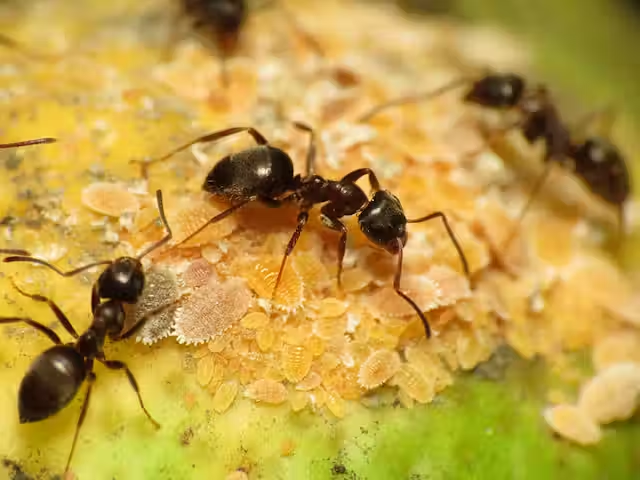
Why Do I Have Ants in My Kitchen in Spokane?
If you’re seeing ants in your kitchen in Spokane, it’s usually because they are searching for food, water, and shelter. Common causes include:
- Crumbs, spills, or unsealed food
- Moisture around sinks, dishwashers, or pipes
- Easy entry points like window sills, door cracks, or foundation gaps
- Nearby outdoor ant colonies or mulch beds
While most ants aren’t dangerous, they can contaminate food and indicate larger infestations. Proper cleaning, sealing entry points, and targeted pest control can eliminate the problem.
Get a Free Quote


Why Ants Enter Kitchens in Spokane Homes
1. Food Sources
Ants are opportunistic feeders. Kitchens provide:
- Crumbs and leftover food
- Sweet items like fruit, sugar, and syrup
- Pet food bowls
- Unsealed pantry items
Even small spills attract ants quickly.
2. Moisture & Water
Ants need water to survive. Common moisture sources include:
- Leaky faucets or pipes
- Dripping dishwashers
- Standing water near sinks
- Moist areas around windows
3. Easy Entry Points
Ants find tiny gaps to enter homes:
- Cracks in windows, doors, and foundation
- Gaps around plumbing and vents
- Holes in screens or weather stripping
Sealing these points greatly reduces indoor ant activity.
4. Outdoor Colonies
In Spokane, ants often nest outside near:
- Garden mulch or soil
- Wood piles and yard debris
- Lawns and landscaping
Colonies send foraging ants indoors for food and water.
Common Ant Species in Spokane Kitchens
- Odorous House Ants: small, brown, and attracted to sweets
- Pavement Ants: common around homes, build nests in soil cracks
- Carpenter Ants: larger, can cause wood damage if nesting inside
- Sugar Ants: tiny, fast, usually near sugary foods
Knowing the species helps determine treatment.
Why DIY Ant Control Often Fails
- Sprays kill only visible ants, not the colony
- Baits placed incorrectly may not reach the nest
- Outdoor colonies continue sending ants inside
Professional ant control addresses both indoor activity and the outdoor nest, reducing recurrence.
How to Reduce Ants in Spokane Kitchens
- Clean thoroughly: wipe counters, sweep floors, and store food in sealed containers
- Fix leaks: repair dripping faucets or pipes
- Seal entry points: cracks, gaps, and weather stripping
- Remove outdoor attractants: mulch, standing water, and wood piles
Use preventative treatments: exterior perimeter sprays or baits applied by professionals
When to Call a Professional
Consider professional ant control if:
- Ants persist despite cleaning and DIY methods
- You notice large or multiple colonies inside or outside
- Carpenter ants are present (risking wood damage)
- You want preventative service to stop recurring infestations
Professional treatments locate nests, apply targeted baits, and reduce outdoor populations, making it the most effective solution.
Ant Control Services in Spokane
Spud Pest Control offers ant inspections and removal throughout:
- Spokane
- Spokane Valley
- Liberty Lake
- Mead
- Airway Heights
We identify species, locate nests, and provide long-term prevention strategies tailored to your property.
Key Takeaways
- Ants enter kitchens seeking food, water, and shelter.
- Moisture, food crumbs, and outdoor colonies increase indoor ant activity.
- DIY methods may remove visible ants but often fail to eliminate nests.
- Professional treatments are the most effective way to prevent recurrence.
- Regular home maintenance and sealing entry points are essential for long-term control.
FAQ: Ants in Spokane Kitchens
Why are there ants in my kitchen?
They are searching for food and water, often following trails from outdoor colonies.
Are these ants dangerous?
Most ants aren’t harmful but can contaminate food and some species like carpenter ants can damage wood.
How do I keep ants out?
Seal entry points, clean thoroughly, repair leaks, and remove outdoor attractants.
When should I call a professional?
If ants persist, multiple colonies are present, or carpenter ants are suspected, professional help is recommended.
Can ants come back after removal?
Yes, unless nests are treated and entry points are sealed; professional service helps prevent return.
Schedule an Inspection