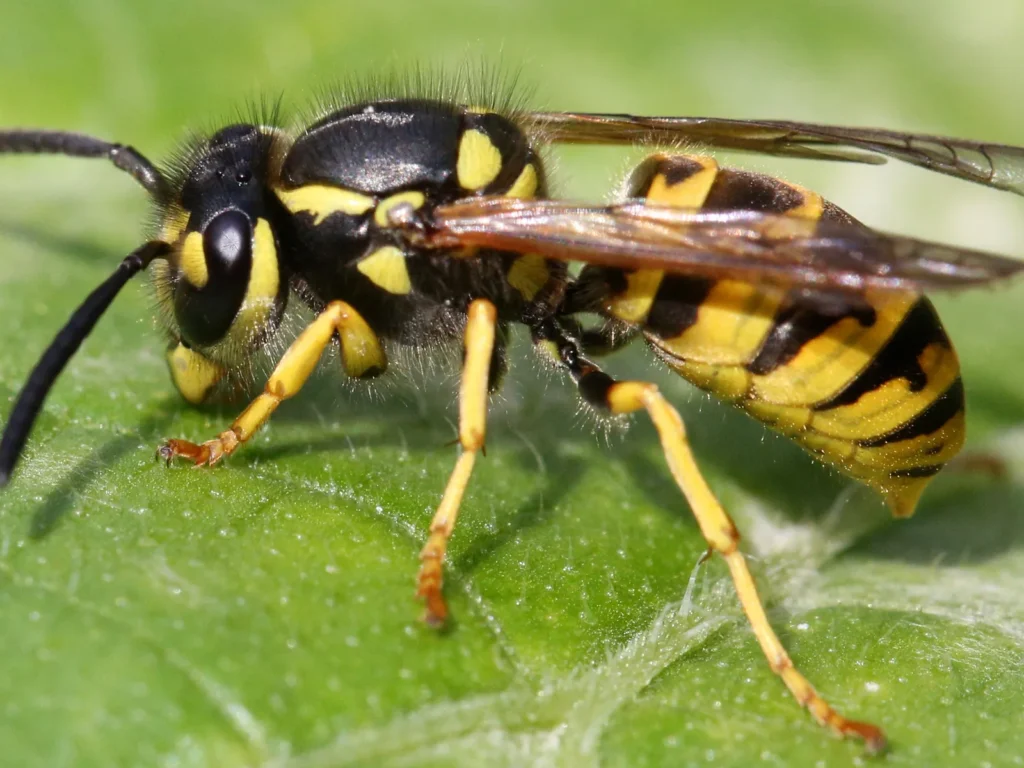
Why Are Yellow Jackets So Aggressive in Late Summer in Spokane?
Quick Answer
Yellow jackets in Spokane become most aggressive in late summer because their colonies reach peak population, food becomes scarcer outdoors, and worker wasps are defending the nest and the queen. This combination of high numbers, hunger, and nest protection makes yellow jackets more likely to sting when disturbed.
Get a Free Quote


Understanding Yellow Jacket Behavior
Yellow jackets are social wasps that live in large colonies. During late summer in Spokane:
- Colonies can contain hundreds to thousands of workers
- Outdoor food sources such as insects and nectar decrease
- Workers become more defensive to protect the queen and nest
This explains why homeowners often notice an increase in yellow jacket encounters during August and September.
1. Colony Growth Peaks in Late Summer
In early spring, a single queen starts building a nest. By late summer, the colony has grown to its maximum size. Large colonies:
- Contain hundreds or thousands of worker yellow jackets
- Have more workers foraging for food
- Produce more defensive behaviors if the nest is disturbed
This population boom makes it easier to accidentally trigger multiple stings at once.
2. Food Sources Become Scarce
Late summer often brings a reduction in natural food sources. Yellow jackets are opportunistic feeders and begin searching for:
- Sweet drinks and foods from outdoor dining areas
- Ripe or fallen fruit in gardens
- Insects attracted to gardens or compost piles
- Trash or pet food left outside
When yellow jackets compete for limited food, they are more likely to behave aggressively toward humans or pets.
3. Nest Protection Drives Aggression
Worker yellow jackets defend the nest and queen aggressively. If a nest is disturbed, workers will:
- Swarm the intruder
- Sting repeatedly
- Signal other workers through pheromones to join the attack
Nests in Spokane are often found:
- Underground in lawns or gardens
- Inside wall voids or eaves
- Under decks or sheds
The closer people are to the nest, the higher the chance of multiple stings.
4. Seasonal Climate in Spokane Influences Activity
Spokane’s warm summer and early fall weather contribute to higher yellow jacket activity:
- Outdoor temperatures in August and September encourage foraging
- Dry conditions make natural nectar or prey less abundant
- Late summer storms or garden harvests can push yellow jackets closer to human activity
This seasonal pattern explains the peak in aggressive encounters.
Signs You Have a Late Summer Yellow Jacket Problem
- Increased sightings around trash cans, grills, or outdoor gatherings
- Yellow jackets hovering near windows or doors
- Nests located in high-traffic areas
- Multiple stings or aggressive swarming when disturbed
Homeowners often report the most incidents from August through early October.
Pest Professional Tip
Avoid DIY nest removal during late summer when yellow jackets are most aggressive. Professional pest control ensures safe and effective removal without risk of multiple stings.
How to Reduce Yellow Jacket Encounters
1. Remove Food Attractants
- Keep trash cans sealed
- Clean up sugary drinks and food outdoors
- Remove fallen fruit or compost that attracts insects
2. Limit Nesting Opportunities
- Seal cracks in siding, eaves, and foundation
- Inspect decks, sheds, and other structures for early nests
3. Avoid Disturbing Nests
- Do not attempt to spray active nests during the day
Schedule professional removal in late evening when workers are less active
Quick Summary
- Yellow jackets are aggressive in late summer due to peak colony size, limited food, and nest defense
- Workers defend the queen and nest aggressively, especially near high-traffic areas
- Food scarcity increases foraging behavior around human activity
Professional removal is the safest way to manage aggressive yellow jackets
Yellow Jacket Aggression in Spokane: Key Questions Answered
Why are yellow jackets more aggressive in late summer?
Colonies are at maximum size, food is scarce, and workers are defending the nest.
When are yellow jackets most dangerous?
From August to early October, when worker numbers peak and they forage aggressively.
Can I remove a nest myself in late summer?
DIY removal is risky during peak activity; professional control is strongly recommended.
What attracts yellow jackets to yards in Spokane?
Sugary foods, fallen fruit, pet food, and outdoor trash are primary attractants.
How can I prevent yellow jackets from becoming a problem?
Seal potential nest sites, remove food sources, and schedule professional inspections in early spring or summer to prevent late-season nests.
Need Yellow Jacket Control in Spokane?
Professional pest control can safely:
- Locate and remove nests
- Prevent new colonies from forming near your home
- Reduce risks of stings during peak activity
Services are available throughout Spokane, Spokane Valley, Post Falls, and Coeur d’Alene.
Schedule an Inspection