
Wasp Control in Airway Heights, WA
Professional Yellow Jacket and Wasp Control for Homes and Properties in Airway Heights, Washington
Yellow jacket and wasp problems are common throughout Airway Heights, Washington, particularly during the warmer months when colonies become more active and begin expanding. Homeowners frequently encounter yellow jackets, paper wasps, bald-faced hornets, and the occasional mud dauber around homes, garages, sheds, decks, and rooflines.
Spud Pest Control provides yellow jacket and wasp control services throughout Airway Heights and surrounding West Plains communities, helping homeowners eliminate active nests and reduce future stinging insect activity.

Why Yellow Jackets and Wasps Are Common in Airway Heights
Airway Heights’ dry climate, residential neighborhoods, outdoor living spaces, landscaping, and seasonal weather patterns create ideal conditions for stinging insects.
Many properties provide:
- Protected nesting locations
- Eaves and roof overhangs
- Outdoor eating areas
- Garbage areas
- Landscaping
- Decks and patios
- Sheds and garages
Because Airway Heights typically warms earlier than North Idaho, wasp activity often begins sooner and remains active well into late summer.
Common Stinging Insects Found in Airway Heights
Yellow Jackets
Yellow jackets are by far the most common stinging insect problem we encounter.
They are known for:
- Aggressive behavior
- Large colony sizes
- Defending nests aggressively
- Becoming more active later in the season
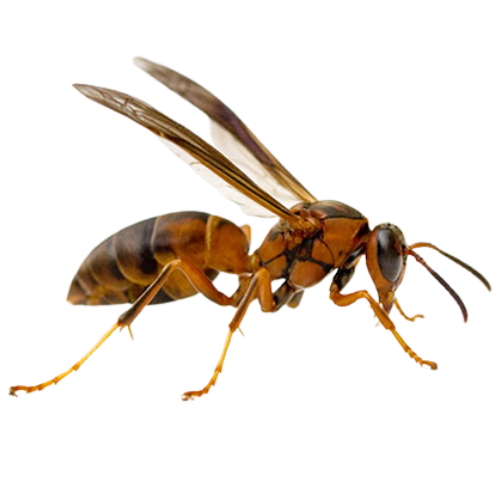
Paper Wasps
Paper wasps commonly build exposed nests beneath:
- Eaves
- Roof overhangs
- Decks
- Porch ceilings
Many homeowners mistake yellow jackets for paper wasps.
Bald-Faced Hornets
These aerial nest builders are occasionally encountered around trees, shrubs, and elevated structures.
Mud Daubers
Mud daubers are much less common but are occasionally found around garages, sheds, and protected structures.
Peak Wasp Season in Airway Heights
Wasp activity often begins increasing during early summer.
However, the busiest season usually runs from:
Late June through August
As colonies continue growing, homeowners often notice dramatic increases in activity around the home.
Why Yellow Jackets Become More Aggressive in Late August
One thing many homeowners don’t realize is that yellow jackets frequently become more aggressive near the end of summer.
During late August, colonies:
- Reach their largest size
- Become more defensive
- Increase food searching activity
- Interact with people more often
Food preferences also change.
Early Summer
Yellow jackets are commonly attracted to:
- Sweet foods
- Sugary drinks
- Fruit
Late Summer
Colonies often become more interested in:
- Protein sources
- Meat
- BBQ foods
- Outdoor dining areas
This is one reason so many homeowners notice increased yellow jacket activity around cookouts and patios.
Common Nest Locations Around Airway Heights Homes
We frequently find nests:
- Under eaves
- Rooflines
- Decks
- Garages
- Sheds
- Trees
- Wall voids
- Ground voids
One of the most common problem areas in Airway Heights is nesting activity underneath roof overhangs and eaves.
Signs You May Have a Yellow Jacket Problem
Homeowners commonly notice:
- Large numbers of flying insects
- Repeated activity in one area
- Increased activity near patios
- Wasps entering the same opening repeatedly
- Activity around decks and garages
- Increased late-summer aggression
Why Store Bought Wasp Sprays Often Fall Short
One of the biggest misconceptions homeowners have is believing that a single can of wasp spray permanently solves the problem.
While many sprays kill visible insects, they often:
- Lack long-term residual protection
- Miss foraging insects that are away from the nest
- Do little to discourage future nesting activity
Long-term control often involves treating more than just the visible nest.
Why Treating All Eaves Matters
Many homeowners focus only on the active nest they can see.
However, treating all eaves and common nesting areas can help provide additional protection and reduce the likelihood of future nesting activity.
Because many Airway Heights homes provide excellent nesting locations, preventative treatments can be especially beneficial.
High Risk Wasp Situations
Some of the most dangerous situations we encounter include:
- Ground nests
- Large active colonies
- Nests near children’s play areas
- Wall void nests
- Highly active colonies during late summer
Ground nests can be particularly dangerous because homeowners often don’t realize they’re present until the colony is disturbed.
Our Yellow Jacket and Wasp Control Process
Inspection
We identify nesting locations and evaluate contributing conditions around the property.
Nest Identification
Correct identification helps determine the most effective treatment strategy.
Treatment
Treatment focuses on active nests and common activity areas around the structure.
Ongoing Prevention
Many homeowners benefit from recurring pest management designed to reduce future nesting activity.
Areas We Serve Around Airway Heights
Spud Pest Control serves Airway Heights and surrounding communities, including:
- Medical Lake
- Cheney
- Spokane
- South Hill
- Browne’s Addition
- West Plains neighborhoods
- Surrounding Spokane County communities
Wasp Prevention Tips for Airway Heights Homeowners
To help reduce wasp activity:
- Inspect eaves regularly
- Monitor decks and patios
- Keep garbage containers closed
- Remove food debris promptly
- Inspect sheds and garages
- Address small nests before colonies expand
- Maintain regular pest control service
Airway Heights Navigation

What Your Neighbors Are Saying About Spud Pest
Frequently Asked Questions About Yellow Jackets and Wasps in Airway Heights
Are yellow jackets common in Airway Heights, Washington?
Yes. Yellow jackets are one of the most common summer pest problems encountered around Airway Heights homes.
When is wasp season in Airway Heights?
Activity often begins during early summer and typically peaks from late June through August.
Why are yellow jackets more aggressive in late summer?
As colonies reach their largest size and food sources change, yellow jackets often become more defensive and more active around people.
Are yellow jackets and paper wasps the same thing?
No. While they are both stinging insects, they have different nesting habits and behaviors.
Why do yellow jackets keep returning?
Homes with favorable nesting locations may continue attracting new colonies if preventative measures are not taken.
Why isn't store bought wasp spray enough?
Many sprays only kill visible insects and do not provide the residual protection needed for longer term control.