
Mouse Control in Airway Heights, WA
Professional Mouse Control for Homes and Properties in Airway Heights, Washington
Rodent control in Airway Heights, Washington often involves identifying nesting areas, locating entry points, and managing the constant mouse pressure many West Plains properties experience throughout the year. House mice are by far the most common rodent problem in Airway Heights, especially for homes located near open fields and developing neighborhoods.
Spud Pest Control provides rodent and mouse control services throughout Airway Heights and surrounding Spokane County communities, helping homeowners reduce rodent activity and prevent recurring infestations.

Why Mouse Problems Are Common in Airway Heights
Airway Heights is surrounded by open land, agricultural areas, and rapidly growing residential developments.
These conditions create ideal environments for mice because they provide:
- Food sources
- Shelter opportunities
- Landscaping
- Garages and storage areas
- Crawlspaces
- Utility penetrations
Homes located near fields often experience ongoing mouse pressure because rodents continue moving onto the property throughout the year.
Common Rodent Problems in Airway Heights
House Mice
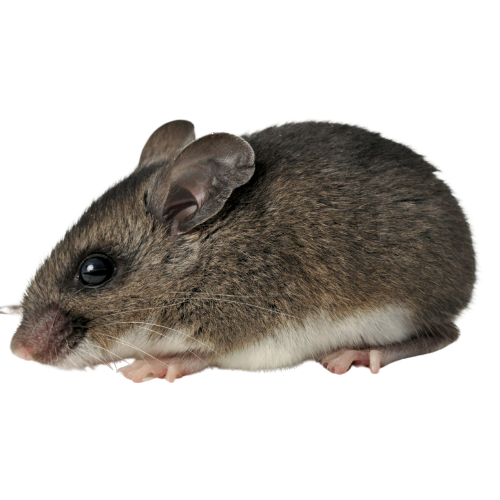
House mice are the most common rodent we encounter around Airway Heights homes.
They frequently nest in:
- Crawlspaces
- Utility rooms
- Garages
- Wall voids
- Storage areas
Because mice reproduce quickly, what appears to be a small problem can become much larger over time.
Signs You May Have Mice
Homeowners commonly notice:
- Mouse droppings
- Seeing mice indoors
- Food damage
- Scratching sounds
- Chewed materials
- Nesting debris
- Activity around garages and storage areas
While noises in walls can sometimes indicate mice, they may also be caused by other pests depending on the season and location.
Where Mice Commonly Nest
Many homeowners are surprised to learn that mice are often nesting in areas they rarely inspect.
Common nesting locations include:
- Crawlspaces
- Insulation beneath the home
- Utility rooms
- Garages
- Wall voids
- Storage areas
In many Airway Heights homes, crawlspaces provide ideal protection and nesting conditions.
Why Homes Near Fields Experience More Mouse Pressure
One of the biggest differences we see in Airway Heights is the amount of rodent pressure properties receive from surrounding fields.
Even after existing mice are removed, new rodents can continue moving onto the property.
This ongoing pressure is one reason many homeowners continue experiencing rodent problems year after year.
Why New Construction Homes Can Still Have Mice
Many homeowners assume a new home won’t have rodent problems.
However, new construction can create opportunities for mice as:
- Homes settle over time
- Small gaps develop
- Utility penetrations expand
- Landscaping matures
As neighborhoods continue developing, disturbed rodent habitats may also increase activity around nearby homes.
Common Mouse Entry Points
Two of the most common entry points we encounter include:
Garage Door Corners
Weather seals naturally wear over time, creating gaps mice can exploit.
Utility Line Penetrations
Small openings around pipes, cables, and utility lines frequently provide access into the structure.
Other entry points may include:
- Crawlspace vents
- Siding gaps
- Foundation openings
Why Trapping a Few Mice Doesn't Solve the Problem
One of the biggest misconceptions homeowners have is believing that catching a few mice or sealing one hole solves the problem.
In reality:
- There are often more mice than homeowners realize.
- Multiple entry points may exist.
- Nesting areas are frequently hidden.
- New mice may continue arriving from surrounding fields.
Successful rodent control requires addressing both current activity and future pressure.
Bird Feed, Chicken Feed, and Rodent Activity
Properties with:
- Bird feeders
- Chicken feed
- Pet food
- RV storage
- Sheds
often experience increased rodent activity.
Accessible food sources are one of the biggest contributors to recurring mouse problems.
Why Exterior Rodent Protection Matters
Many Airway Heights homeowners don’t realize that mouse pressure from surrounding fields is often continuous.
Because new rodents may continue arriving throughout the year, exterior rodent management and monitoring can provide valuable ongoing protection.
Our Rodent Control Process
Inspection
We identify signs of activity, likely nesting areas, and potential entry points.
Entry Point Evaluation
Special attention is given to common problem areas such as:
- Garage door corners
- Utility penetrations
- Crawlspace access areas
Rodent Control Strategy
Treatment is designed around active rodent behavior and nesting locations.
Ongoing Protection
Many homes benefit from recurring rodent management to help reduce future activity.
Areas We Serve Around Airway Heights
Spud Pest Control serves Airway Heights and surrounding communities, including:
- Medical Lake
- Cheney
- Spokane
- South Hill
- Browne’s Addition
- West Plains neighborhoods
- Surrounding Spokane County communities
Rodent Prevention Tips for Airway Heights Homeowners
To help reduce mouse activity:
- Store bird seed in sealed containers
- Monitor garage door seals
- Reduce accessible food sources
- Seal utility penetrations
- Inspect crawlspaces regularly
- Keep storage areas organized
- Maintain regular pest control service
Airway Heights Navigation

What Your Neighbors Are Saying About Spud Pest
Frequently Asked Questions About Mouse Control in Airway Heights
Are mice common in Airway Heights, Washington?
Yes. House mice are one of the most common pest problems encountered around Airway Heights homes.
Why do homes near fields have more mice?
Open fields provide ideal rodent habitat and can create continuous pressure as mice move toward nearby homes searching for food and shelter.
Can new construction homes get mice?
Yes. As homes settle and neighborhoods develop, new gaps and access points can allow mice to enter.
Where do mice usually nest?
Mice commonly nest in crawlspaces, utility rooms, garages, insulation, and wall voids.
Why do mice keep coming back after trapping them?
Trapping a few mice may not address hidden nesting areas, multiple entry points, or the constant pressure coming from surrounding environments.
Can bird feeders attract mice?
Yes. Bird seed, chicken feed, pet food, and other accessible food sources are major rodent attractants.