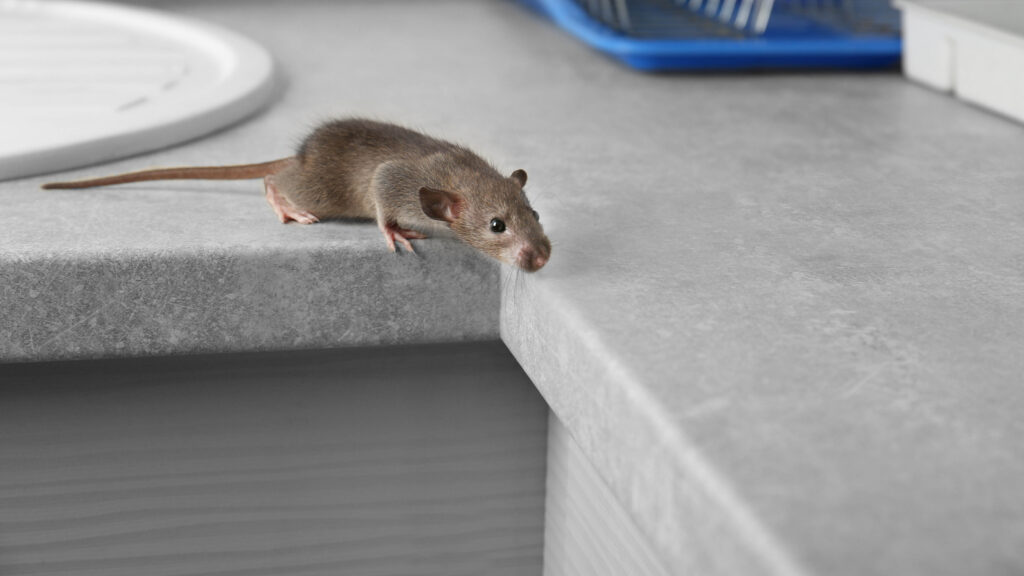
Where Do Mice Hide in Houses in Spokane?
Quick Answer
Mice in Spokane homes typically hide in dark, quiet, and undisturbed areas such as attics, basements, wall voids, crawl spaces, garages, and behind appliances. They prefer locations close to food and nesting materials, where they can stay hidden and protected.
Get a Free Quote


Where Mice Actually Hide Inside Your Home
Mice are experts at staying out of sight. Even if you never see one, they can still be active behind the scenes.
👉 Most infestations happen inside walls and hidden spaces, not out in the open.
1. Inside Walls (Most Common Hiding Spot)
Wall voids are one of the most common places mice live.
Why?
- Dark and protected
- Rarely disturbed
- Easy to travel through
Signs of mice in walls include:
- Scratching or movement sounds
- Activity at night
- Light gnawing noises
2. Attics and Roof Spaces
Attics are ideal nesting areas.
- Warm and insulated
- Low human activity
- Plenty of nesting materials
Mice often enter through the roofline and stay in the attic while expanding into the home.
3. Basements
Basements provide easy access and shelter.
- Close to foundation entry points
- Typically darker and quieter
- Often contain clutter or storage
Unfinished basements are especially vulnerable.
4. Crawl Spaces
Crawl spaces are a major hotspot in many homes.
- Minimal disturbance
- Easy entry from outside
- Damp conditions mice can tolerate
These areas often serve as both entry and nesting zones.
5. Behind Appliances
Mice love areas behind:
- Refrigerators
- Stoves
- Dishwashers
- Washers and dryers
Why?
- Warmth from appliances
- Nearby food sources
- Hidden, tight spaces
6. Inside Cabinets and Pantries
When mice get closer to food, they may move into:
- Kitchen cabinets
- Pantry shelves
- Food storage areas
This is when infestations become more noticeable.
7. Garages and Storage Areas
Garages are often the first place mice settle.
- Clutter provides hiding spots
- Easy entry through gaps
- Less frequent human activity
From here, they often move into the home.
8. Cluttered Areas and Stored Items
Mice thrive in clutter.
Common hiding spots include:
- Cardboard boxes
- Storage bins
- Closets
- Piles of materials
They use these areas to build nests and stay hidden.
What Mice Look for When Choosing a Hiding Spot
Mice don’t pick random locations—they choose areas that provide:
1. Protection
Hidden from people and predators
2. Warmth
Especially during colder months in Spokane
3. Food Access
Close to kitchens, pantries, or garbage
4. Nesting Materials
Paper, insulation, fabric, and debris
Pest Professional Insight
Most homeowners only see a small part of the problem.
👉 If you see one mouse, there are often more nearby
👉 Mice are usually hiding in multiple areas at once
👉 The main nesting site is often hidden from view
This is why infestations can grow before being noticed.
Signs Mice Are Hiding in Your Home
Watch for:
- Droppings in cabinets or along walls
- Scratching sounds, especially at night
- Gnawed food packaging
- Nesting materials (shredded paper, insulation)
Musty or unusual odors
How to Find and Eliminate Hiding Spots
1. Inspect Key Areas
- Check attics, basements, and crawl spaces
- Look behind appliances
- Examine storage areas and clutter
2. Reduce Clutter
- Store items in sealed plastic containers
- Avoid cardboard boxes when possible
- Keep storage areas organized
3. Seal Entry Points
- Close gaps in walls and foundations
- Seal around pipes and vents
- Install proper door seals
4. Address the Nesting Area
- Removing visible mice isn’t enough
- The nesting site must be eliminated
- Professional help may be needed for full control
Quick Summary
- Mice hide in dark, quiet areas like walls, attics, and basements
- They prefer locations close to food and nesting materials
- Garages and crawl spaces are common starting points
- Most activity happens out of sight
- Finding and addressing hiding spots is key to long-term control
Spokane Mouse Problems: Key Questions Answered
Where are mice most likely to hide in a house?
Inside walls, attics, basements, crawl spaces, and behind appliances.
Do mice hide during the day?
Yes. Mice are mostly nocturnal and stay hidden during the day.
Why don’t I see mice even if I have them?
They stay in concealed areas and are most active at night.
How do I know where mice are hiding?
Look for droppings, noises, gnaw marks, and nesting materials.
Can mice live in walls long-term?
Yes. Walls provide ideal shelter and allow mice to move throughout the home.
Need Help Finding and Eliminating Mice in Spokane?
Professional pest control can:
- Locate hidden nesting areas
- Identify all activity zones
- Eliminate infestations effectively
- Prevent mice from returning
Services are available throughout Spokane, Spokane Valley, Post Falls, and Coeur d’Alene.
Schedule an Inspection