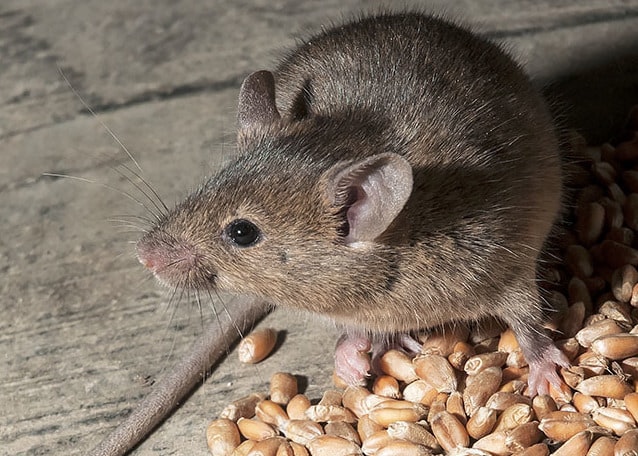
Why Are There Mice in My House in Winter in Spokane?
Quick Answer
Mice often enter homes during winter in Spokane because they are searching for warmth, food, and shelter. As outdoor temperatures drop, mice leave fields and outdoor hiding places and squeeze through small openings around foundations, vents, siding, and doors to access warm areas like attics, basements, garages, and wall voids.
Get a Free Quote


Why Mice Enter Homes During Winter
Rodent activity increases significantly during winter throughout the Inland Northwest. When freezing temperatures arrive, mice must find warm shelter to survive.
Homes provide ideal conditions because they offer:
- Warm indoor temperatures
- Reliable food sources
- Protection from predators
- Safe nesting locations
Because of these conditions, mice often move indoors during late fall and early winter.
1. Cold Weather Drives Mice Indoors
Outdoor survival becomes difficult for mice once temperatures drop and snow begins to accumulate. To avoid freezing conditions, mice search for warm environments.
Common winter entry points include:
- Gaps in foundations
- Spaces under garage doors
- Openings around plumbing pipes
- Attic vents and soffits
- Small cracks in siding
Mice can fit through holes as small as ¼ inch, which means even tiny openings can allow them into a house.
2. Homes Provide Easy Food Sources
Once inside, mice can easily access food that helps them survive the winter.
Typical indoor food sources include:
- Pantry foods and grains
- Pet food left out overnight
- Crumbs in kitchens or dining areas
- Trash bins
- Bird seed stored in garages
Even small food crumbs can sustain mice for long periods of time.
3. Attics, Walls, and Basements Are Ideal Nesting Areas
Mice prefer quiet, hidden areas where they can build nests safely.
Common nesting locations include:
- Attic insulation
- Wall voids
- Crawl spaces
- Basements
- Garages
- Storage areas
These spaces allow mice to remain hidden while staying close to warmth and food.
4. Spokane’s Winter Climate Increases Rodent Activity
Cold winters in Eastern Washington often push rodents indoors earlier than in warmer regions. When temperatures drop around the Spokane area, mice quickly move toward homes for protection.
Homeowners in nearby communities such as:
- Spokane Valley
- Post Falls
- Coeur d’Alene
often experience the same seasonal increase in mouse activity.
Signs You May Have Mice in Your House
Early detection can help prevent a larger infestation.
Common warning signs include:
- Small dark droppings near cabinets or food storage
- Scratching or scurrying noises in walls or ceilings at night
- Chewed food packaging
- Gnaw marks on wood or wires
- Nesting materials such as shredded paper or insulation
- A strong musty odor in enclosed spaces
Mice are primarily nocturnal, so activity is often heard at night.
How Mice Get Into Spokane Homes
Mice are extremely flexible and can squeeze through very small openings.
Typical entry points include:
- Gaps under garage doors
- Cracks in foundations
- Utility pipe openings
- Damaged siding or trim boards
- Roofline gaps
- Attic vents
Once mice locate an entry point, they often leave scent trails that attract additional mice.
If you’re already noticing signs of rodents, you may also want to read our guide on how to get rid of mice in Spokane homes to learn about effective removal options.
Pest Professional Tip
One of the most common entry points for mice is the small gap under garage doors. Even a narrow opening can allow rodents inside. Installing a tight garage door sweep and sealing exterior gaps around the foundation can significantly reduce the chances of mice entering your home during winter.
How to Prevent Mice From Entering Your Home
Preventing mice usually requires both removing attractants and blocking entry points.
Seal Exterior Gaps
Inspect the exterior of your home and seal small openings around:
- pipes
- vents
- siding
- doors and windows
Metal mesh or steel wool combined with sealant can help block rodent entry.
Remove Food Sources
- Store pantry foods in sealed containers
- Clean kitchen surfaces regularly
- Avoid leaving pet food out overnight
- Secure trash bins
Reduce Outdoor Attractants
- Move firewood away from the home
- Trim vegetation touching the house
- Clean up spilled bird seed
- Reduce clutter near exterior walls
When Mouse Problems Become Serious
A single mouse can quickly turn into a larger problem.
Mice reproduce rapidly and can cause:
- Food contamination
- Damage to insulation
- Chewed electrical wiring
- Spread of bacteria and allergens
Because of their rapid breeding, professional rodent control may be necessary once multiple mice are present.
Local Pest Insight for Spokane Homes
Rodent problems are especially common during the colder months in the Spokane region. Homes located near open land, fields, wooded areas, or agricultural properties often experience higher rodent pressure during winter.
Because mice can enter through extremely small gaps, many infestations start when homeowners are unaware of small structural openings around the house.
Regular exterior inspections and preventative pest control can significantly reduce the chances of winter rodent infestations.
Quick Summary
- Mice enter homes during winter searching for warmth and shelter
- Even tiny openings can allow mice inside
- Attics, walls, and basements provide ideal nesting areas
- Mouse activity increases during late fall and winter in Spokane
- Sealing entry points and removing food sources are key prevention steps
Winter Mouse Problems in Spokane: Key Questions Answered
Why do mice enter homes during winter?
Mice enter homes during winter in Spokane because they are searching for warmth, food, and shelter. As outdoor temperatures drop, mice move indoors through small gaps around foundations, siding, vents, and doors.
Where do mice usually hide inside houses?
Once inside, mice typically hide in warm and protected areas such as attics, wall voids, basements, crawl spaces, and garages.
What attracts mice to homes in Spokane?
Food crumbs, pantry items, pet food, bird seed, and accessible garbage can attract mice. Homes with small structural gaps also make it easier for rodents to enter.
When do mice start entering homes in Spokane?
Mouse activity usually increases in late fall, especially between October and November, when temperatures begin to drop.
How can homeowners prevent mice from entering?
Sealing exterior gaps, keeping food stored in sealed containers, reducing clutter around the home, and maintaining proper sanitation can help prevent mice from entering.
Frequently Asked Questions
What month do mice start entering homes in Spokane?
Mice often begin entering homes between October and November as temperatures start to drop.
How small of a hole can a mouse fit through?
Mice can squeeze through openings as small as ¼ inch, roughly the size of a dime.
Will mice leave on their own when winter ends?
Usually not. Once mice establish nests inside a home, they may remain year-round if food and shelter are available.
Are mice dangerous in homes?
Mice can contaminate food, damage property, and spread bacteria, making it important to address infestations quickly.
Need Help With Mice in Spokane?
If you’re dealing with mice in your home, professional rodent control can identify entry points, remove rodents safely, and help prevent future infestations.
Pest control services are available for homeowners throughout Spokane, Spokane Valley, Post Falls, and Coeur d’Alene.
Schedule an Inspection