
Mouse Control in Athol, ID
Professional Mouse Control for Homes and Properties in Athol, Idaho
Rodent control in Athol, Idaho often involves identifying where mice are entering, locating nesting areas, and addressing the ongoing pressure that many North Idaho properties experience throughout the year. House mice and deer mice are among the most common rodent problems in Athol, particularly on acreage properties and homes located near fields where rodent populations can remain active year-round.
Spud Pest Control provides rodent control services throughout Athol and surrounding North Idaho communities, helping homeowners reduce mouse activity and protect their homes from recurring infestations.

Why Mouse Problems Are Common in Athol
Athol’s mix of rural properties, acreage homes, open fields, outbuildings, garages, crawlspaces, and seasonal weather patterns creates ideal conditions for rodent activity.
Many properties provide:
- Food sources
- Shelter opportunities
- Crawlspaces
- Garages
- Utility penetrations
- Outbuildings
- Bird feed and chicken feed
Homes located near fields often experience continuous rodent pressure because new mice can move onto the property even after previous activity has been addressed.
Common Rodents Found in Athol
House Mice
House mice are among the most common rodents found inside homes.
They frequently nest in:
- Crawlspaces
- Wall voids
- Utility rooms
- Garages
- Storage areas
Because they reproduce quickly, a small problem can become a much larger infestation if left untreated.
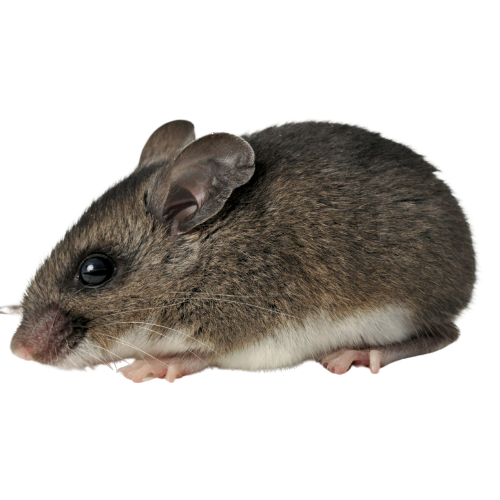
Deer Mice
Deer mice are commonly encountered around rural and acreage properties throughout North Idaho.
They are often found around:
- Outbuildings
- Sheds
- Garages
- Crawlspaces
- Properties bordering fields and open land
Many Athol homeowners mistake deer mice for house mice because of their similar appearance.
Signs You May Have Mice
Homeowners often notice:
- Mouse droppings
- Seeing a mouse indoors
- Food packaging damage
- Nesting materials
- Activity around garages
- Signs of chewing
- Noises in walls or ceilings
While scratching sounds can sometimes indicate mice, they may also be caused by other pests depending on the location and season.
Where Mice Commonly Nest
One thing many homeowners don’t realize is that mice are often nesting in areas they rarely inspect.
Common nesting locations include:
- Crawlspace insulation
- Wall voids
- Utility rooms
- Garages
- Storage areas
- Outbuildings
In homes with crawlspaces, insulation frequently provides ideal nesting material and protection.
Where Mice Enter Homes
Two of the most common entry points we encounter are:
Utility Line Penetrations
Small gaps around utility lines can provide easy access into a structure.
Garage Door Corners
Garage door seals frequently deteriorate over time.
The lower corners of garage doors are one of the most common rodent entry points found during inspections.
Why Mouse Problems Keep Coming Back
One of the biggest misconceptions homeowners have is believing they only have one mouse.
In reality, seeing a mouse inside often indicates additional activity nearby.
Another common issue is placing traps or bait in convenient locations rather than where mice are actually living and traveling.
Many homeowners fail to place bait near nesting areas, which often reduces effectiveness.
In homes with crawlspaces, rodent activity is frequently concentrated beneath the structure where homeowners rarely look.
Why Store Bought Mouse Control Often Fails
Many homeowners try generic rodent products before seeking professional help.
A common issue is that bait is placed too far from active nesting areas or travel routes.
Another challenge is that some consumer products simply do not perform as effectively as homeowners expect.
Successful rodent control often depends on:
- Proper placement
- Identifying nesting areas
- Understanding rodent behavior
- Addressing entry points
- Managing ongoing exterior pressure
Bird Feed, Chicken Feed, and Rodent Activity
One of the strongest attractants for mice around Athol properties is accessible feed.
Properties with:
- Chicken feed
- Bird feeders
- Livestock feed
- Grain storage
often experience increased rodent activity.
Even well-maintained properties can attract mice when food sources remain available.
Why Exterior Rodent Protection Matters
Homes near fields and open land often experience ongoing mouse pressure.
Even after existing rodents are removed, new mice may continue moving onto the property.
This is one reason recurring rodent management and exterior baiting strategies can be beneficial for many North Idaho homeowners.
Our Rodent Control Process Inspection
We begin by identifying signs of activity, likely nesting areas, and potential entry points.
Entry Point Evaluation
Special attention is given to common problem areas such as utility penetrations and garage door seal gaps.
Rodent Control Strategy
Treatment is designed around active rodent behavior, nesting locations, and pressure points around the property.
Ongoing Protection
Properties experiencing continuous rodent pressure may benefit from recurring rodent management and monitoring.
Areas We Serve Around Athol
Spud Pest Control serves Athol and surrounding North Idaho communities, including:
- Careywood
- Bayview
- Cocolalla
- Rathdrum
- Hayden
- Coeur d’Alene area
- Rural North Idaho properties
Rodent Prevention Tips for Athol Homeowners
To help reduce mouse activity:
- Store feed in sealed containers
- Monitor garage door seals
- Seal utility penetrations
- Reduce clutter around structures
- Inspect crawlspaces regularly
- Limit accessible food sources
- Monitor bird feeding areas

What Your Neighbors Are Saying About Spud Pest
Frequently Asked Questions About Mouse Control in Athol
Are mice common in Athol, Idaho?
Yes. House mice and deer mice are common throughout Athol, especially on acreage properties and homes located near fields and open land.
When is mouse activity highest in Athol?
Mouse activity occurs year-round but often increases as temperatures begin cooling and rodents seek food, warmth, and shelter.
Where do mice usually enter homes?
Common entry points include gaps around utility lines and deteriorated garage door seal corners.
Why do I keep finding mice even after setting traps?
Traps are often placed away from active nesting areas or travel routes. Mice frequently nest in crawlspaces, wall voids, and other hidden locations that homeowners may overlook.
Can bird feeders and chicken feed attract mice?
Yes. Accessible bird seed, chicken feed, and other food sources are among the most common attractants for rodents around North Idaho properties.
How small of an opening can a mouse fit through?
Mice can squeeze through surprisingly small openings, which is why tiny gaps around utility lines, foundations, and garage doors can become entry points.